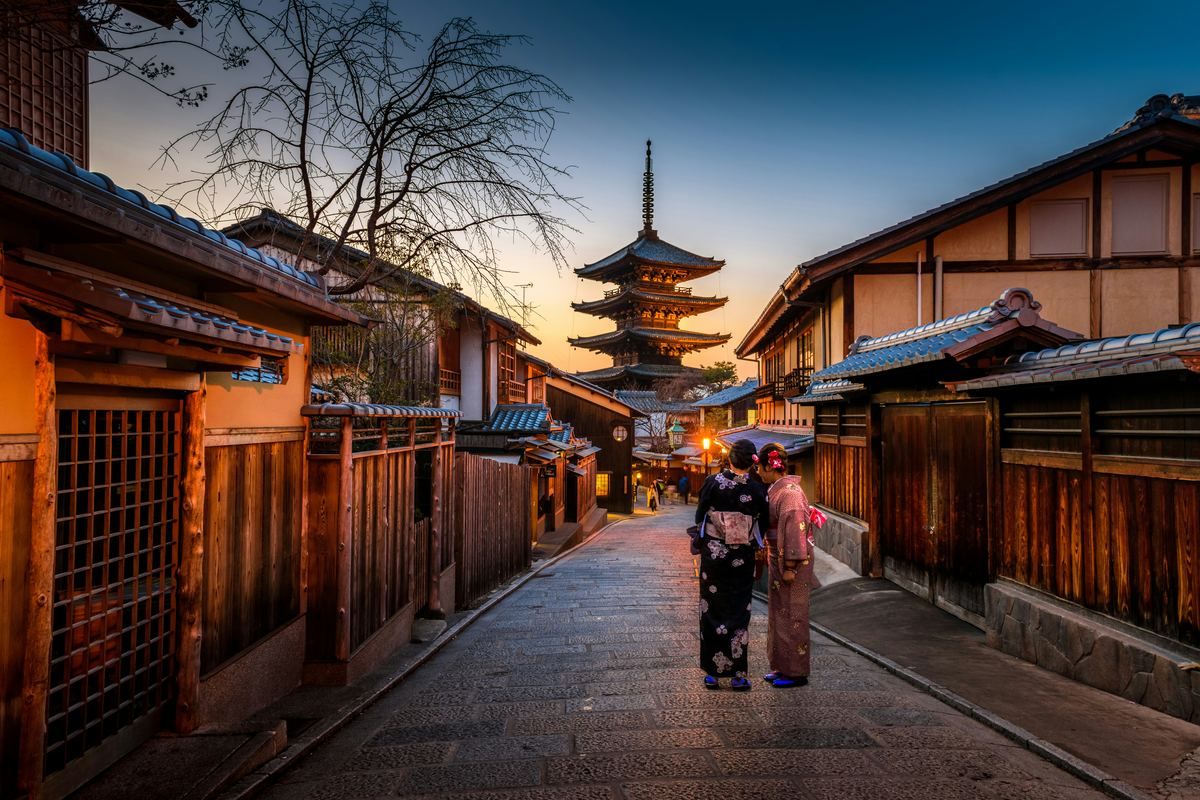
Every spring and winter, Kyoto hands its most beautiful streets over to a million paper lanterns. Hanatoro (花灯路, “flower-and-lantern road”) is the city’s signature light festival — a series of illuminated walking routes that turn entire districts into open-air art installations. And the best part: it’s completely free.
Hanatoro runs in two locations on opposite sides of the year: the Higashiyama Hanatoro in mid-March (cherry-blossom lead-in) and the Arashiyama Hanatoro in mid-December (winter illumination). Here’s everything you need to plan your visit.
What Is Hanatoro?
Hanatoro is a collaborative festival by Kyoto’s temples, shops, and local community. Roads are lined with thousands of paper lanterns — held in bamboo stands, floating on canals, hanging from eaves — while flowers (real, seasonal arrangements) accent the route at key intersections. Along the way, temples open their gates at night with special illuminated displays, and local vendors set up food stalls.
The name comes from hana (flower) and toro (lantern). Two festivals, two seasons, one spectacular concept: light as a path through Kyoto’s history.
Higashiyama Hanatoro (March)
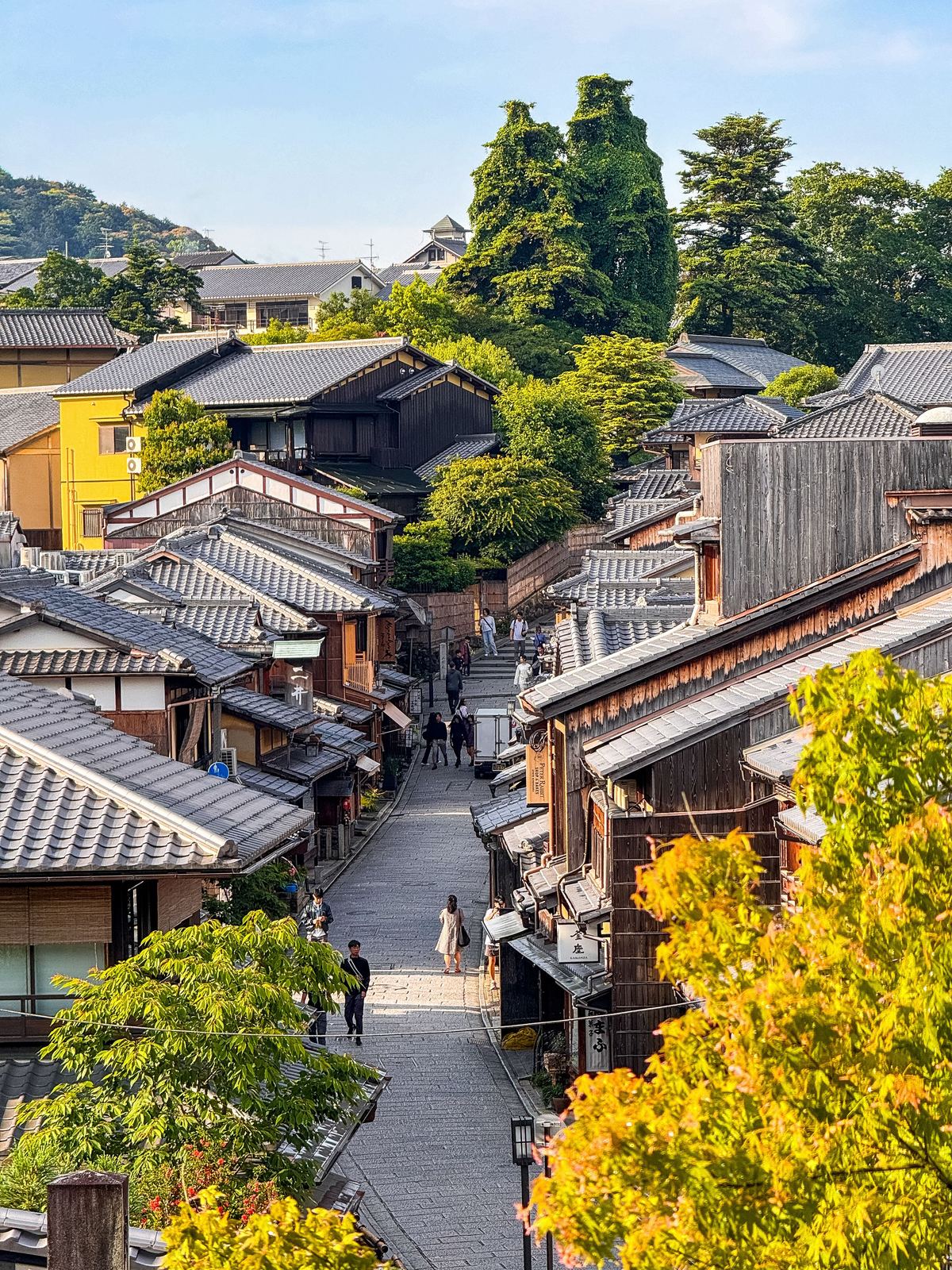
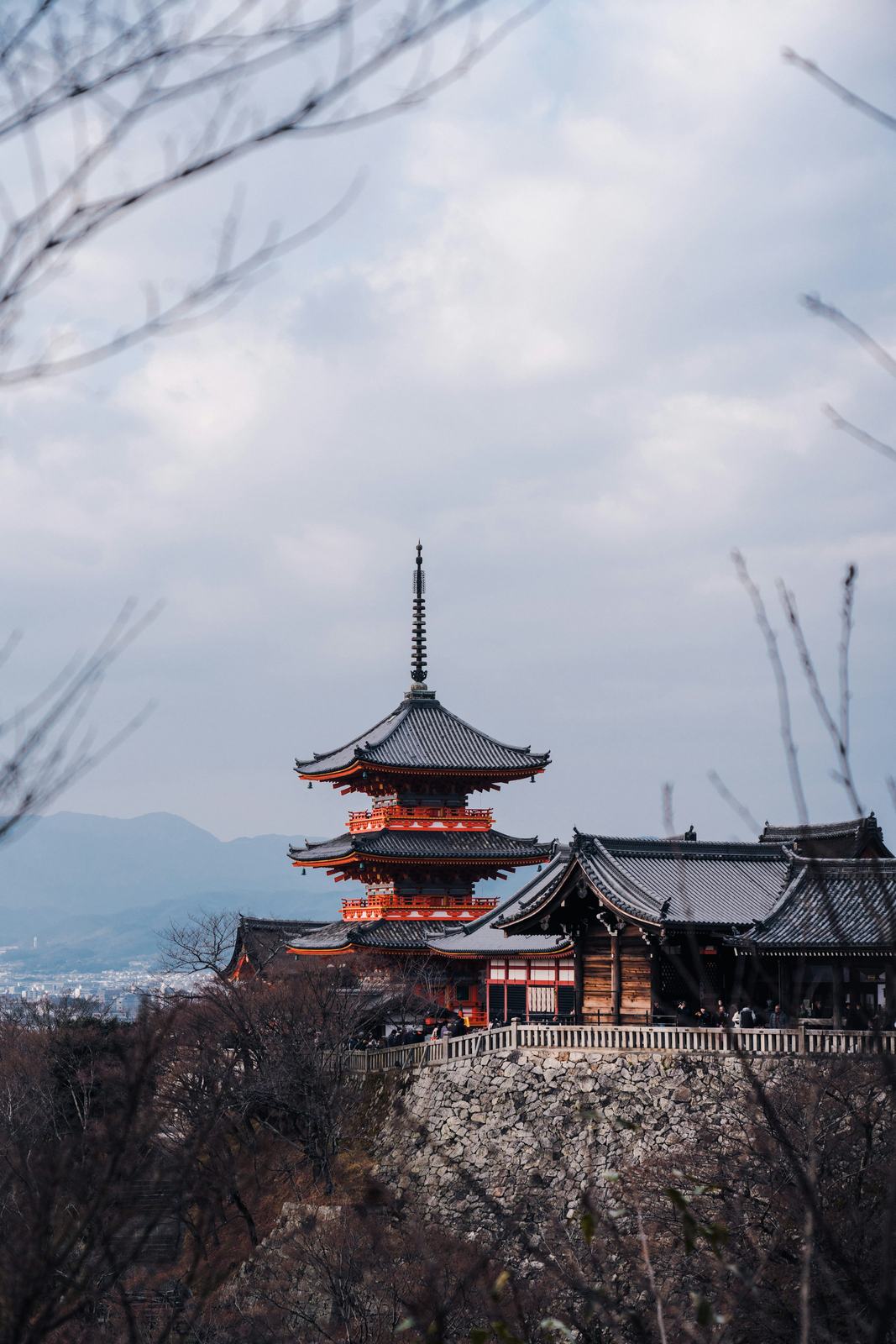
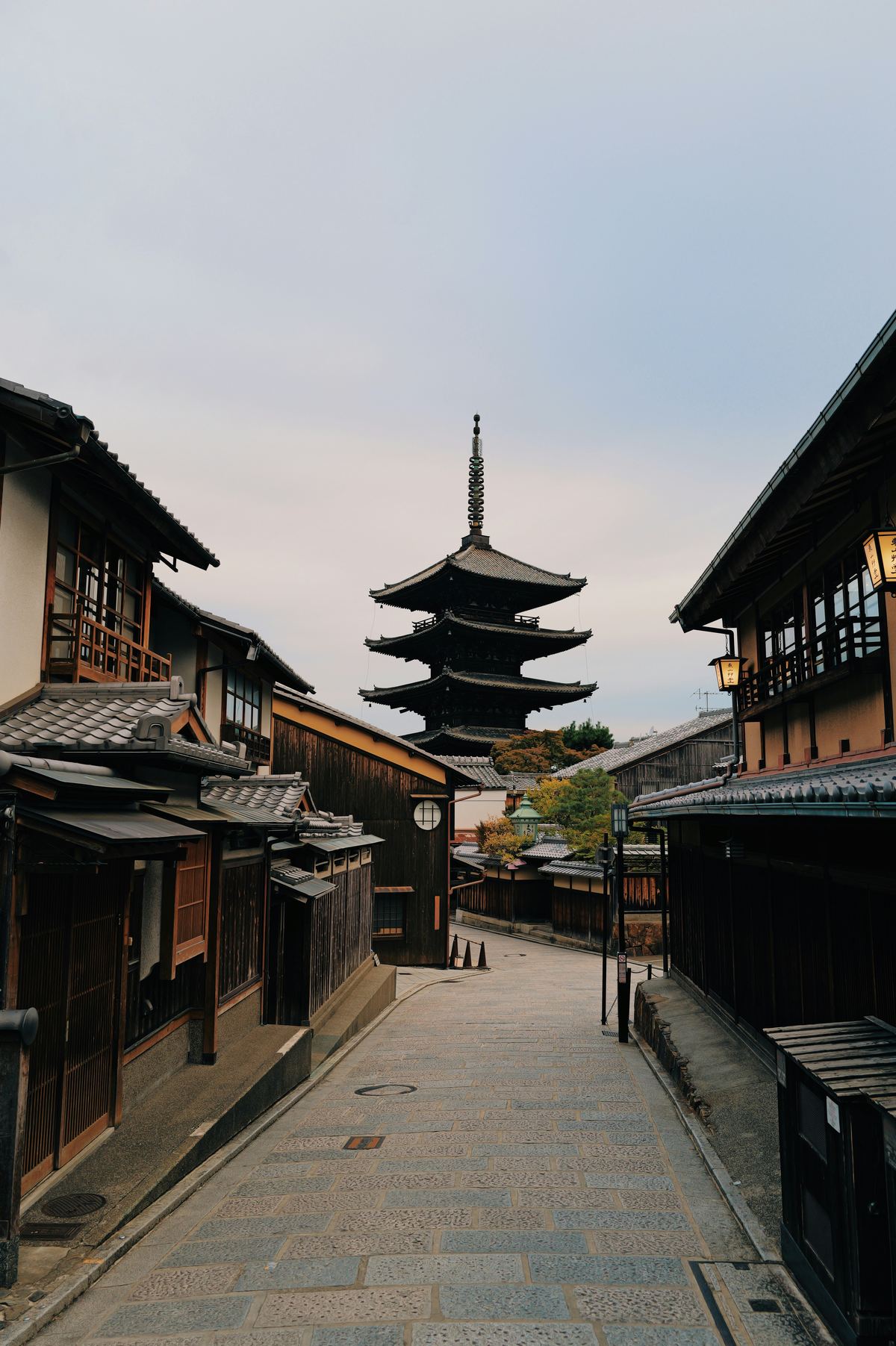
Running for about ten days in mid-March, the Higashiyama Hanatoro turns the historic eastern district into a 4.6-kilometre lantern path from Maruyama Park to Yasaka Shrine, threading past Kiyomizu-dera, Kodai-ji, and the Yasaka pagoda. More than 2,500 lanterns line the route, and participating temples hold special night openings.
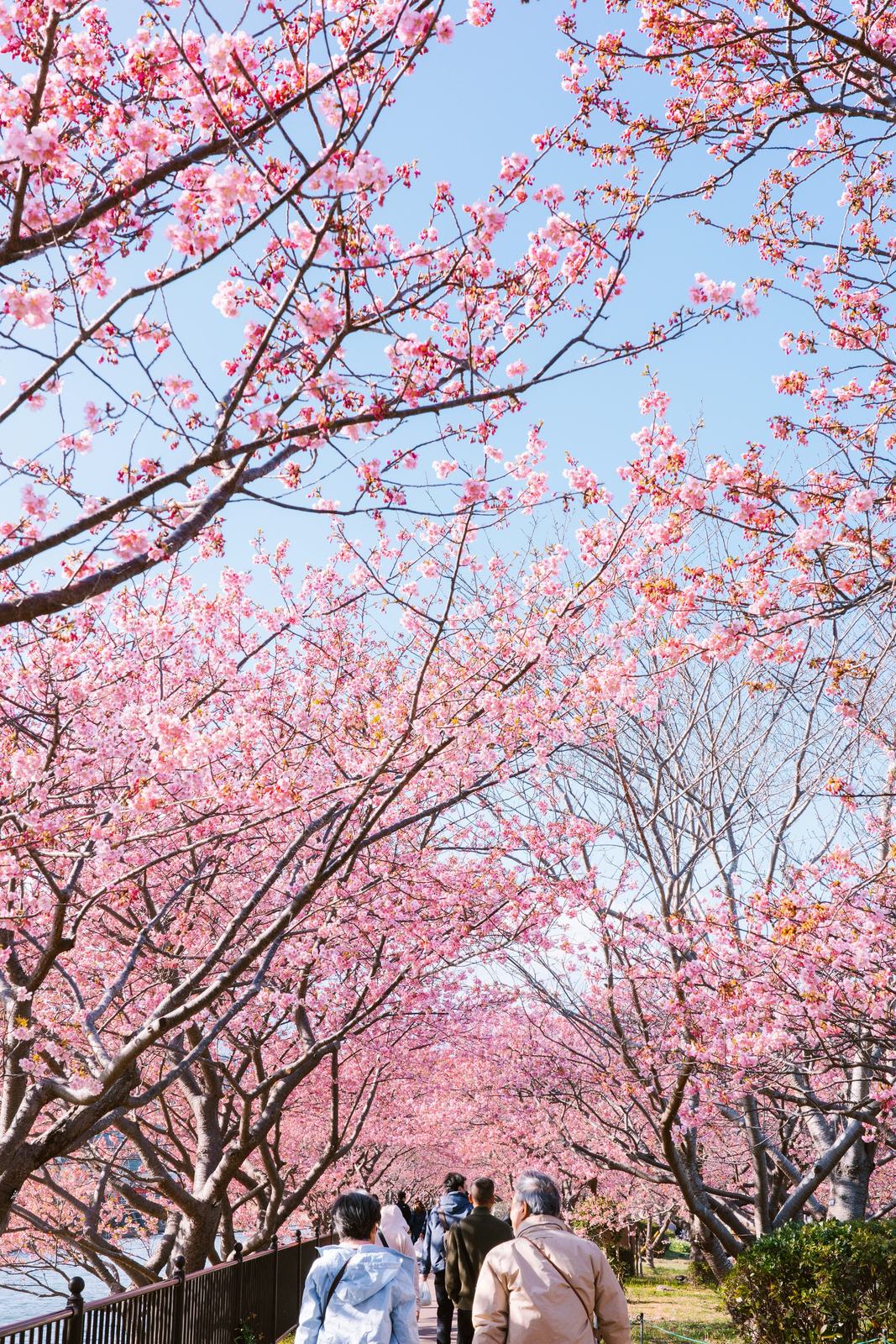
This is the festival to catch in cherry-blossom season — by late March the famous weeping cherry in Maruyama Park is at its peak, its branches lit by lantern light. Entry is free; some temple illuminations charge a small admission.
Arashiyama Hanatoro (December)
In mid-December, the western district of Arashiyama lights up for about ten days. The star attraction is the bamboo grove illuminated at night — hundreds of bamboo stalks rising into a soft green-gold glow, one of the most photographed scenes in Japan. The route runs through the grove, past Tenryu-ji, along the Oi River, and across the iconic Togetsukyo Bridge, whose arches are outlined in light. Food stalls set up along the riverside, and the atmosphere is festive and cold in equal measure. Also free.
What to Expect
- Lantern-lined streets — expect 2,500+ lanterns in Higashiyama and a similar spectacle in Arashiyama. The paper-and-bamboo lanterns give a soft, golden, flickering light that photographs beautifully.
- Temples open late — Kodai-ji, Chion-in, and others hold special night openings during Hanatoro, often with their own illuminations. Admission is separate but usually modest (¥400–¥600).
- Food stalls — takoyaki, yakisoba, matcha sweets, and hot amazake (sweet rice drink) line the routes. Dinner at the festival is a proper option, not just a snack.
- Crowds — both festivals draw big evening crowds. Higashiyama is the busier of the two; Arashiyama in December is calmer. Go with patience and you’ll be rewarded — the atmosphere is genuinely festive, with families, kimono-clad visitors, and live music in places.
Best Photo Spots
The Bamboo Grove at Night
Arashiyama’s bamboo grove under the lanterns is the festival’s signature shot. Go during the first hour after lighting (around 17:00–18:00) to catch the deep blue dusk sky behind the green glow, or wait until late evening (20:00+) when the crowds thin and you can set up a tripod in the middle of the path.
Shirakawa Canal
In Higashiyama, the Shirakawa Canal near Gion reflects the lanterns in its still water — a double line of golden lights with the old machiya townhouses behind. It’s the classic Hanatoro postcard shot. A long exposure smooths the water beautifully.
Maruyama Weeping Cherry
During the March festival, the famous weeping cherry in Maruyama Park is illuminated alongside the lanterns. It’s the festival’s emotional centrepiece — the huge, drooping branches full of blossom glowing against the night sky. Expect crowds here; go early or very late.
Practical Tips
- Go both nights if you can — one night for the crowds and the food stalls, one to shoot at your own pace. They’re genuinely different experiences.
- Bring a tripod — the lanterns are low light; a tripod (or monopod) is the difference between blurry and breathtaking. Set up early at your key spots.
- Start at the opposite end of the crowds — most people enter at Maruyama Park (Higashiyama) or Togetsukyo Bridge (Arashiyama). Start at Kiyomizu-dera or the far end of the bamboo grove and walk against the flow.
- Dress warm — December nights in Arashiyama are cold (0–5°C) and riverside winds bite. Hand warmers, a thermos, hat, and gloves are essential. March is milder but still cool after sunset.
- Check dates each year — Hanatoro dates shift annually (typically mid-March and mid-December, running about ten days). Confirm on the official Kyoto Hanatoro site before booking.
- Use public transport — both districts close streets to vehicles during the festival. Take the Keihan line or Kyoto City bus to Higashiyama, and the JR Saga-Arashiyama line or the Randen tram to Arashiyama.