Kyoto's cherry blossom season is one of the most beautiful spectacles on Earth. Here's everything you need to plan the perfect hanami trip — dates, spots, and insider strategies to beat the crowds.
📅 Expected 2027 Bloom Dates
Based on historical patterns and Kyoto's climate data:
- First buds (kaika): ~March 22-25
- Full bloom (mankai): ~April 1-5
- Best viewing window: March 28 - April 8 (7-10 days)
- Petal fall (hanafubuki): ~April 9-12
🌸 12 Best Hanami Spots
Central Kyoto
1. Maruyama Park
Kyoto's most famous hanami spot. A massive weeping cherry tree (shidarezakura) lit up at night is the icon of Kyoto spring. Arrive before 8 AM or after 8 PM to avoid the biggest crowds.
2. Philosopher's Path
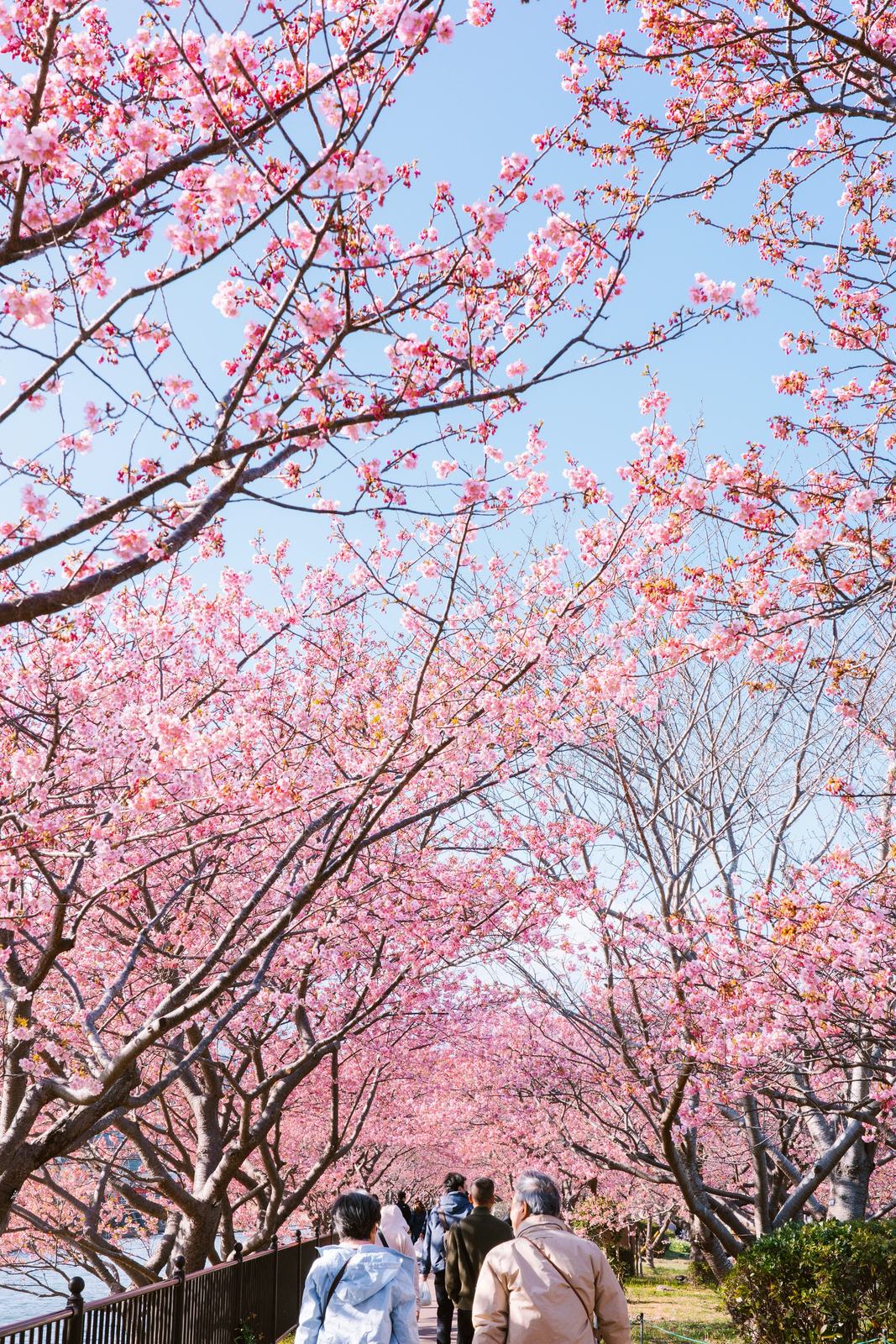
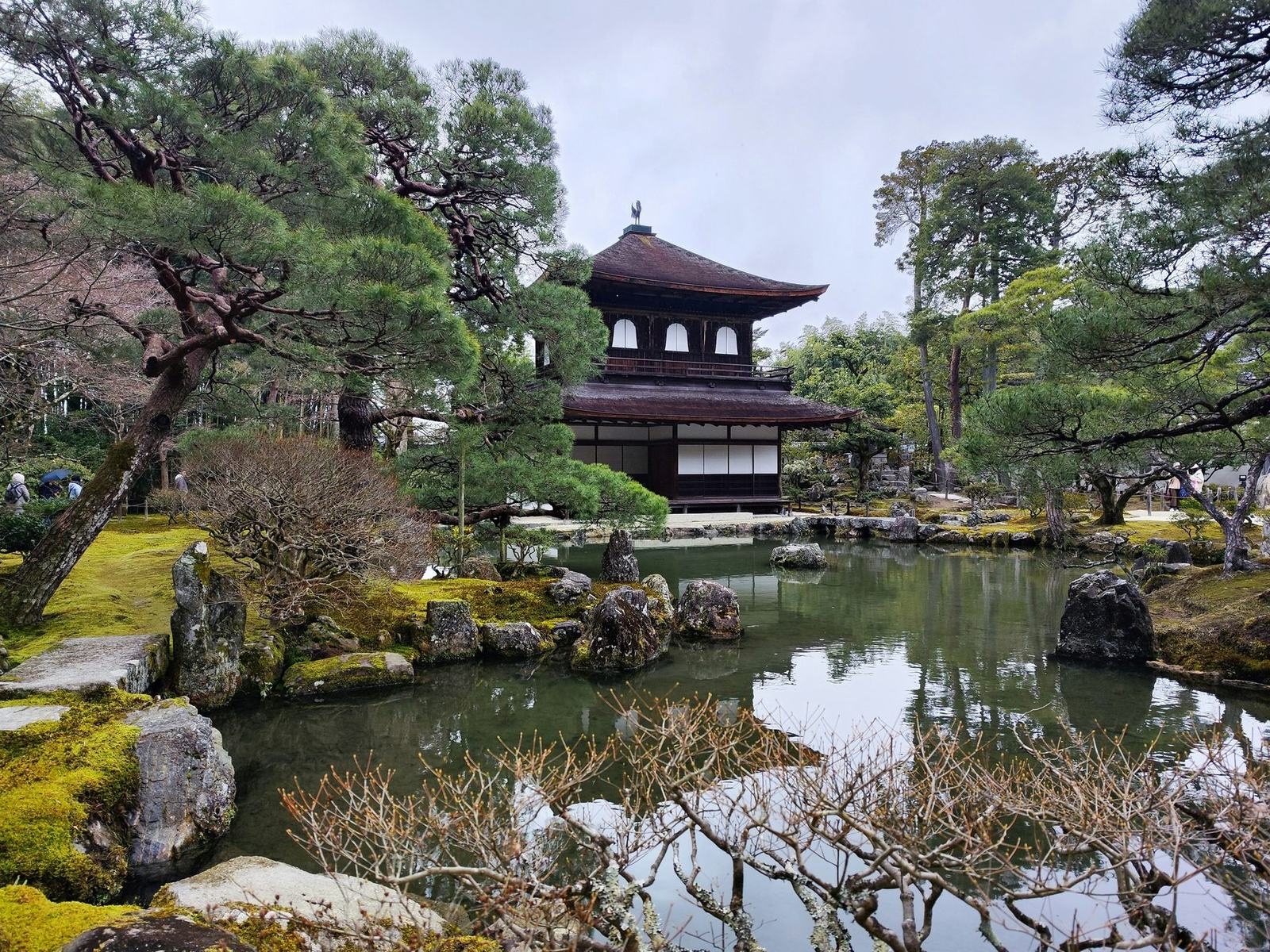
A 2km canal path lined with 500 cherry trees. Walking under a pink canopy with petals falling on the water — pure magic. Start from Ginkaku-ji and walk south.
3. Heian Shrine
A massive vermillion torii gate leads to one of Kyoto's most impressive gardens — over 300 cherry trees, including rare double-flowered varieties. The contrast of pink blossoms against red architecture is stunning.
Eastern Kyoto
4. Kiyomizu-dera
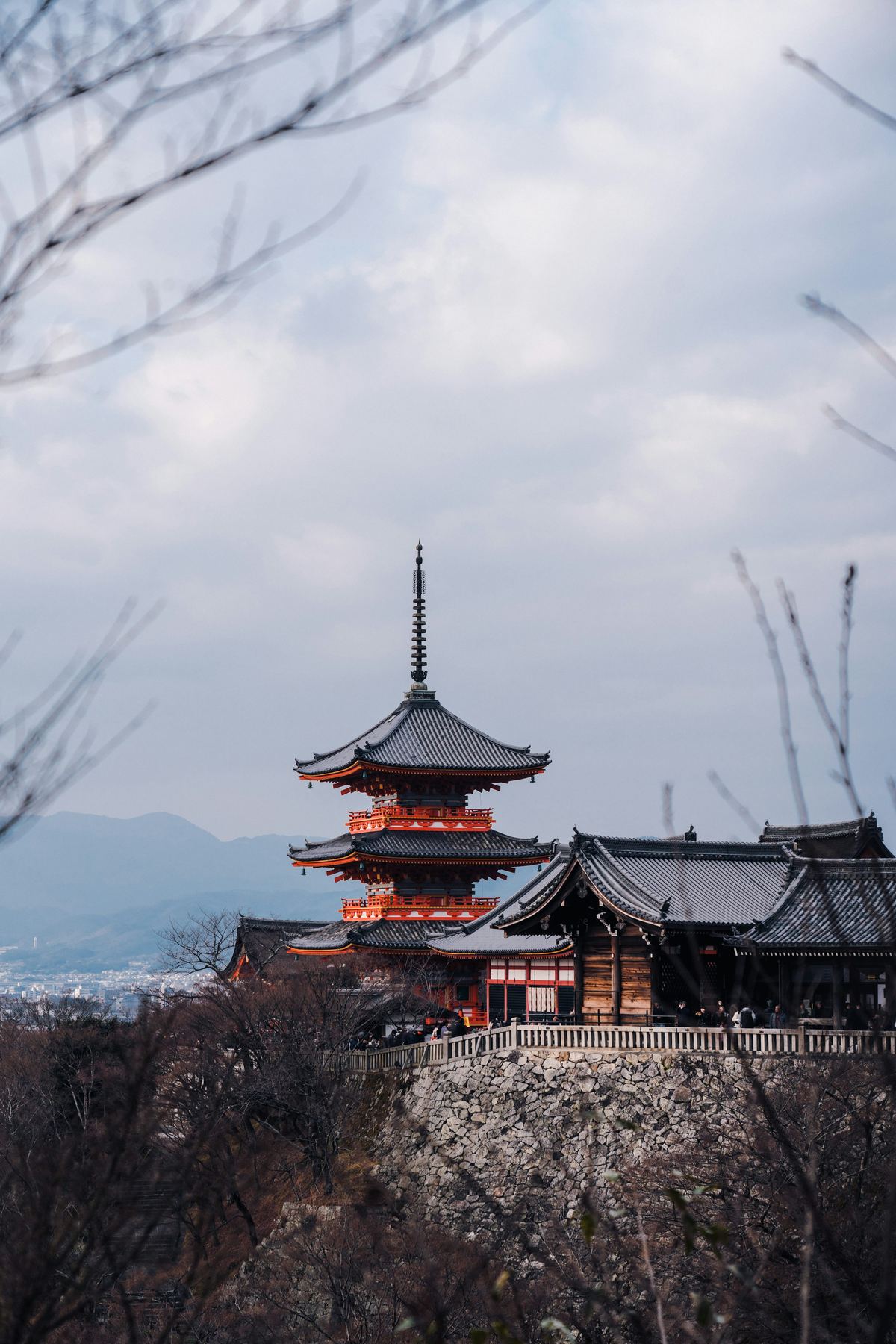
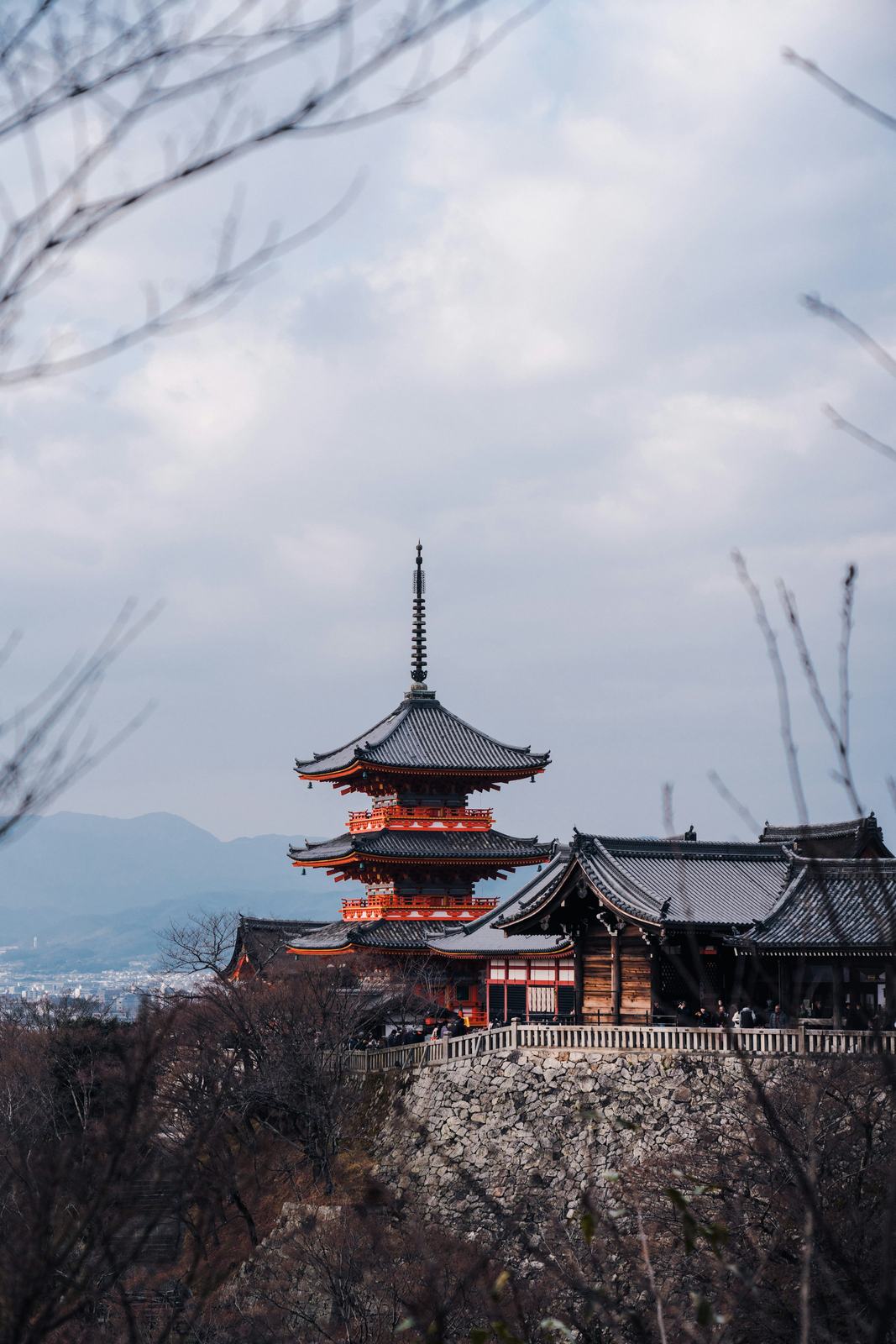
The wooden stage overlooking a sea of cherry blossoms with Kyoto city beyond. Night illuminations transform the temple into a dreamscape. The walk up through Sannenzaka is equally beautiful.
5. Keage Incline
An abandoned railway track lined with cherry trees — the most Instagrammed spot in Kyoto. The railway tracks disappearing into pink blossoms create perfect perspective shots.
6. Nanzen-ji
The massive sanmon gate framed by cherry trees is one of Kyoto's most photographed scenes. The aqueduct nearby adds an unexpected industrial contrast.
Northern & Western Kyoto
7. Ninna-ji
UNESCO site with late-blooming Omuro cherry trees (about 1 week later than other spots). If you arrive late, this is your second chance. The short, round trees create a uniquely intimate atmosphere.
8. Daigo-ji
Where Toyotomi Hideyoshi held his legendary cherry blossom party in 1598. The five-story pagoda surrounded by 800 cherry trees is Kyoto's most historic hanami scene.
9. Arashiyama
The Togetsukyo Bridge with cherry trees along the river and mountains beyond. Combine with the bamboo grove for a full day. Boat rides on the river during bloom are magical.
Hidden Gems
10. Shosei-en Garden
A Higashiyama garden that most tourists skip entirely. Beautiful cherry trees reflected in a pond, with almost no crowds. One of Kyoto's best-kept hanami secrets.
11. Kumano Nyakuoji Bridge
A suspension bridge overlooking a valley of wild cherry trees. The views stretch across the entire city. Feels like a secret mountain retreat.
12. Kamigamo Shrine
UNESCO shrine with two weeping cherry trees flanking the approach. Far north, rarely visited by tourists. The serene atmosphere lets you appreciate hanami the way locals do.
🌙 Night Illuminations
Kyoto's temples stay open late during cherry blossom season with dramatic lighting. The best night spots:
- Kiyomizu-dera: The most spectacular — the stage lit against the dark sky with illuminated blossoms
- Maruyama Park: The weeping cherry tree is Kyoto's nighttime icon
- Ninna-ji: Omuro blossoms lit from below create an ethereal glow
- Kodai-ji: Bamboo grove and cherry trees with projection mapping
🎯 Beat the Crowds: Strategy Guide
- Go early. 6-8 AM at any spot means 80% fewer people. Most tourists don't arrive before 10.
- Visit weekdays. Weekend crowds are 3-4x higher than weekdays.
- Go late. Most tour groups leave by 4 PM. Evening visits are quieter and the light is better for photos.
- Walk beyond the entrance. 90% of visitors stay within 200m of the entrance. Walk 10 minutes deeper and you'll find solitude.
- Use the bus, not the car. Parking is impossible during bloom. The ¥700 bus day pass is your best friend. See our practical info for details.
📸 Photography Tips
- Golden hour: 6:30-7:30 AM and 5-6 PM give the warmest light on pink blossoms
- Best angles: Shoot upward through branches against blue sky for maximum impact
- Petal rain: Gently shake branches (respectfully!) for the petal-fall effect. Or wait for wind.
- Night shots: Use a tripod or stable surface. Temple illuminations are worth the effort.