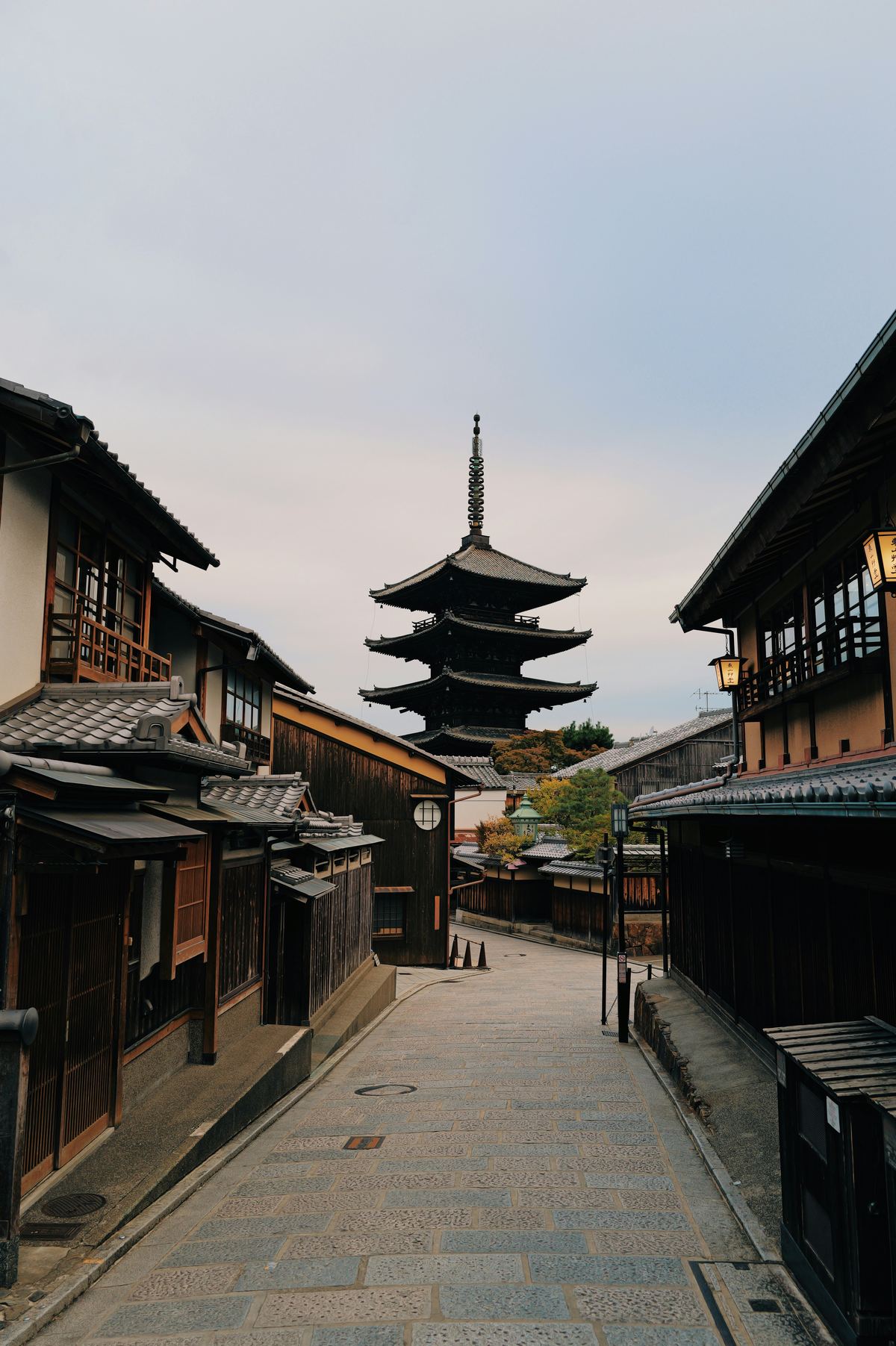
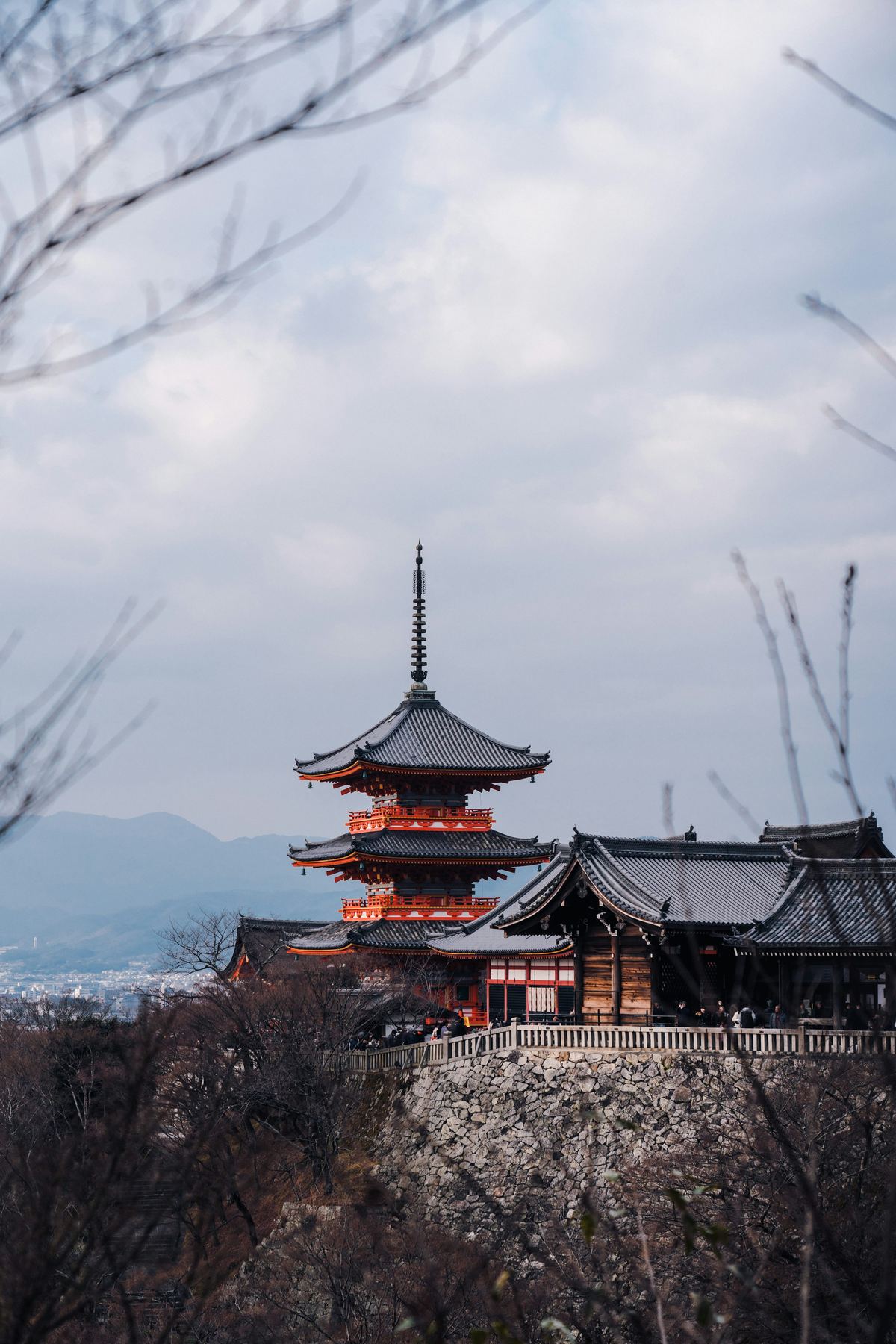
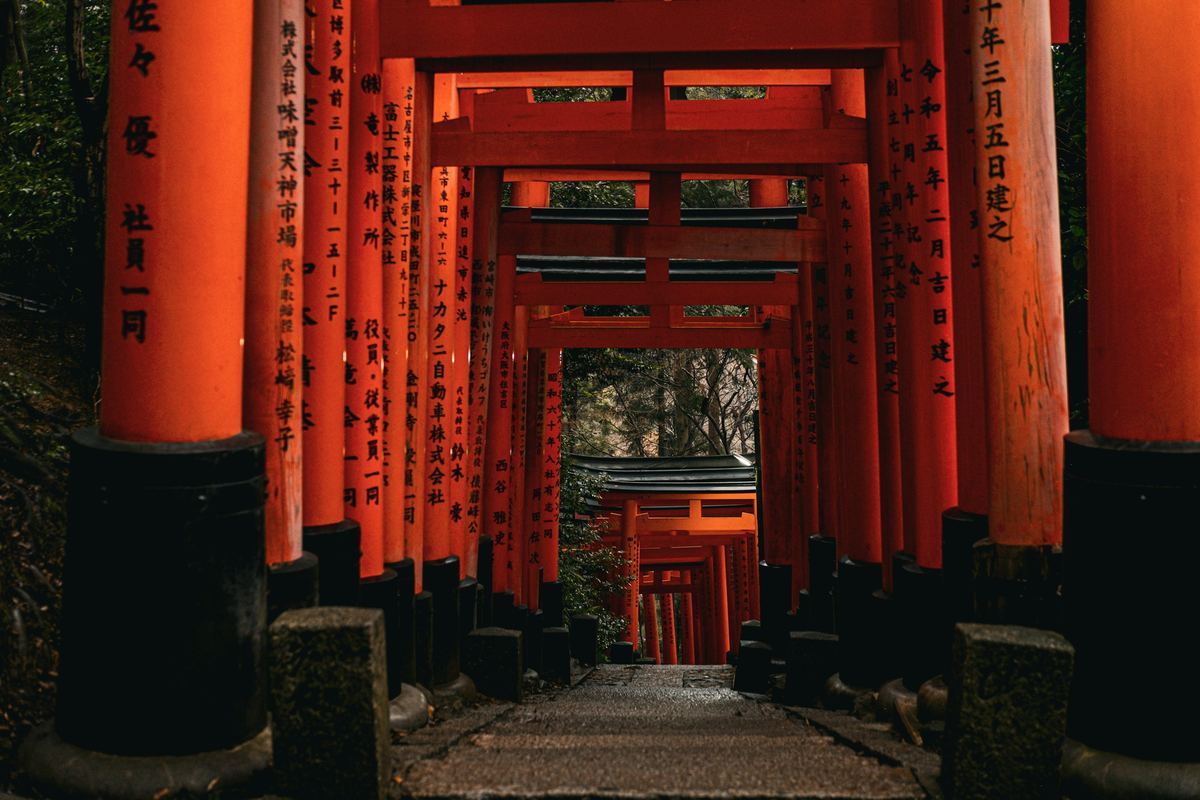
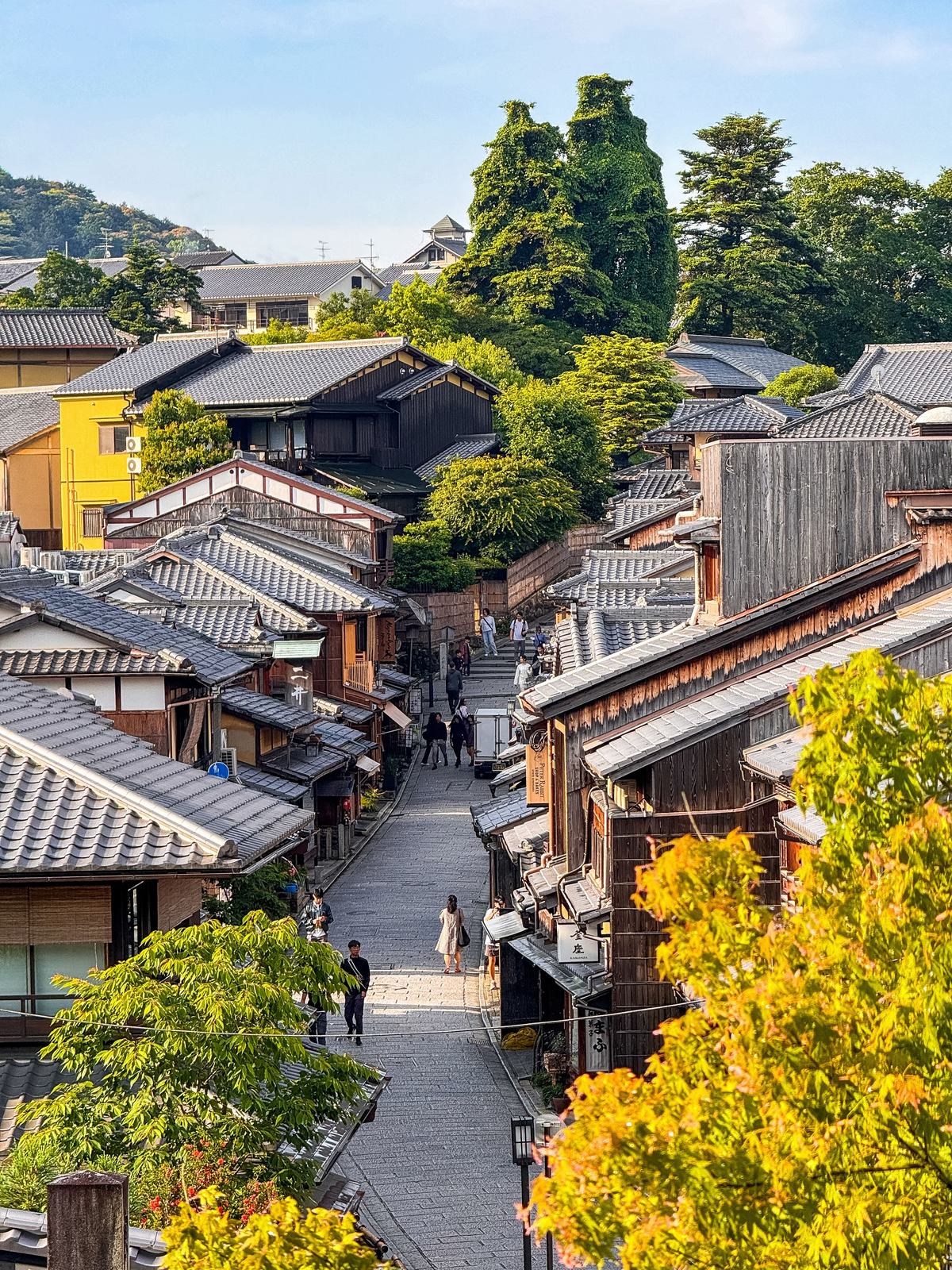
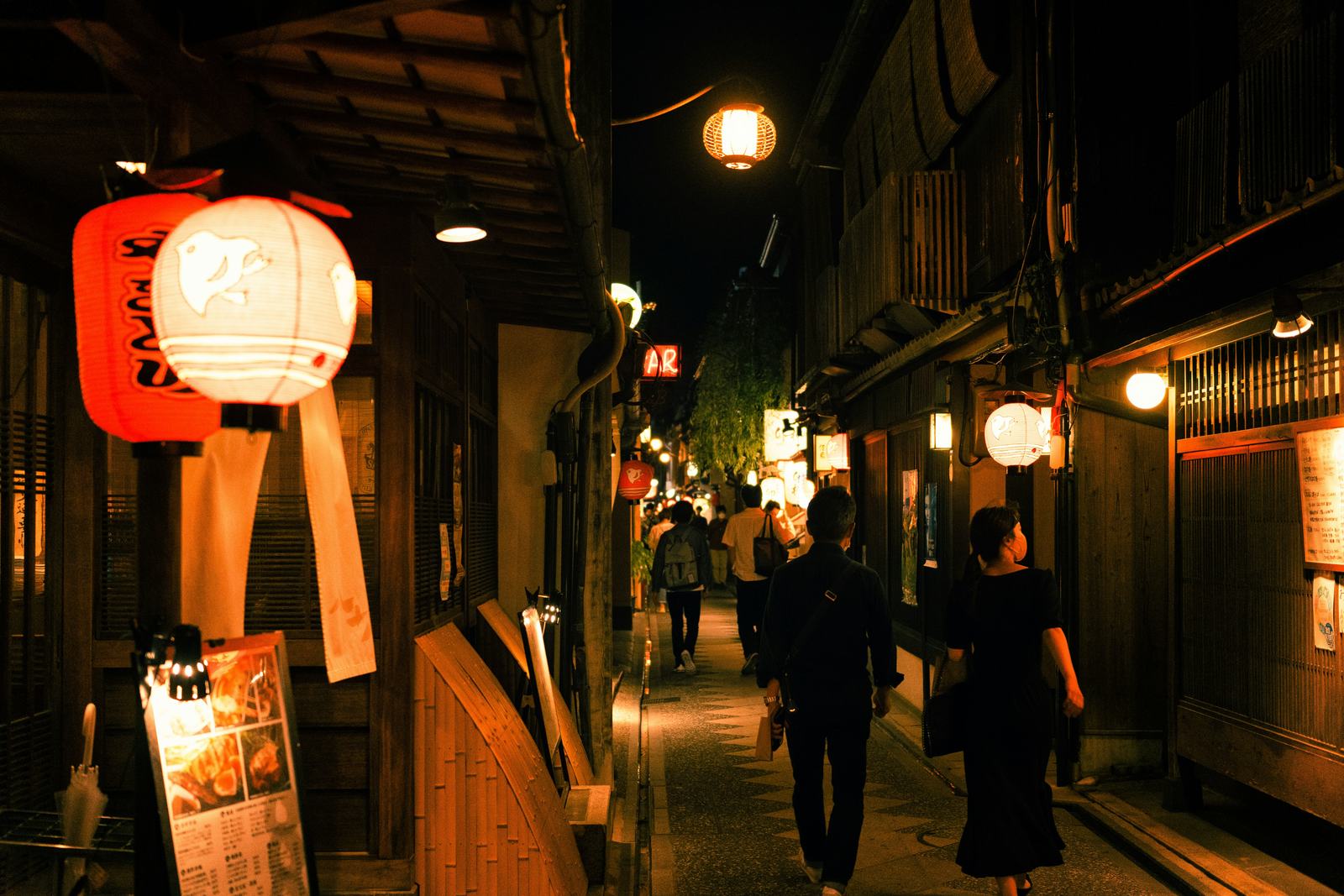
Gion is Kyoto's most atmospheric district — a living museum of traditional Japanese culture where geiko (Kyoto's term for geisha) and maiko (apprentice geiko) still walk the lantern-lit streets on their way to evening appointments.
🗺️ Gion's Two Faces
Hanamikoji Street
The main artery of geisha culture. Wooden ochaya (tea houses) with lattice windows line both sides. This is where you're most likely to spot a geiko or maiko — especially around 5:30-6:00 PM when they head to appointments. The street is pedestrian-only and beautifully preserved.
Pontocho Alley
A narrow, atmospheric alley running parallel to the Kamo River, packed with restaurants from affordable izakaya to exclusive kaiseki. In summer, restaurants build riverside terraces (kawayuka) — dining over the flowing water. One of Kyoto's most romantic settings.
🌸 Geiko & Maiko: What to Know
Understanding the difference:
- Maiko: Apprentices (ages 15-22). Elaborate hairstyles with dangling hair ornaments, colorful kimono, white-painted face with red lipstick only on lower lip.
- Geiko: Fully trained professionals. Simpler hairstyles, subdued kimono, natural-looking makeup. More refined overall appearance.
- Where to see them: Hanamikoji Street at 5:30-6:00 PM, Gion Corner cultural shows, or by chance along side streets.
- Best times: Weekday evenings. Avoid weekends and holidays when geiko schedules are lighter.
📍 Key Spots
Yasaka Shrine
The guardian shrine of Gion, always open and free. At night, the vermillion gate is illuminated and hauntingly beautiful. During Gion Matsuri (July), this is the starting point for the grand procession.
Gion Corner
Cultural theater showcasing seven traditional Kyoto arts in a 50-minute show: tea ceremony, flower arranging (ikebana), gagaku court music, kyo-mai dance, bunraku puppet theater, kyogen comedy, and koto music. ¥3,150. Great introduction for first-timers.
Shirakawa Canal Area
The most photogenic corner of Gion: a willow-lined canal with stone bridges and willow trees. Visit at dusk when lanterns illuminate the water. The view from Gion Bridge is iconic.
Machiya Architecture
Gion's wooden machiya townhouses are architectural treasures. Narrow facades hide deep interiors with inner courtyards. Many have been converted to cafes, galleries, or boutique hotels. Look for the inuyarai — curved bamboo fences protecting doorways.
🍽️ Where to Eat in Gion
- Gion Kappa: Affordable kaiseki lunch sets (¥3,000-5,000) in a beautiful traditional building
- Pontocho Robin: Innovative fusion in a relaxed atmosphere, riverside terrace in summer
- Ichizawa Shinzaburo Hanpu: Not a restaurant but a legendary bag shop — hand-made canvas bags, Kyoto's best souvenir
- Gion Tsujiri: The original matcha café (since 1860). Try the matcha parfait.
🚶 Evening Walk Route
- 5:00 PM: Start at Yasaka Shrine (free, atmospheric)
- 5:15 PM: Walk south to Hanamikoji Street
- 5:30 PM: Position yourself between Shijo and Hanamikoji intersection — geiko/maiko pass here
- 6:00 PM: Walk to Shirakawa Canal for sunset photos
- 6:30 PM: Dinner on Pontocho or Kiyamachi Street
- 8:00 PM: Post-dinner stroll along Kamo River