Overview
The Kyoto Imperial Palace was the residence of Japan's Imperial Family for over a thousand years, from the city's founding as the capital in 794 until 1869, when the Emperor relocated to Tokyo following the Meiji Restoration. The current palace buildings date mostly from a 19th-century reconstruction in the traditional Heian architectural style, following a pattern of the palace burning down and being rebuilt several times over the centuries.
The palace sits inside Kyoto Gyoen, a large, free public park that also once held the residences of court nobility. Today the park is a green, open space popular with joggers, families, and picnickers, with the palace itself as its historic centerpiece. The Shishinden, the ceremonial hall used for enthronement ceremonies, and the Seiryuden are among the most architecturally significant structures on the grounds.
Practical Info
Hours: The Kyoto Gyoen park is open year-round with no restrictions. The palace itself is visited via guided tour, offered several times daily; free same-day registration is available at the Imperial Household Agency office on the grounds, or you can reserve in advance online.
Entry fee: Free, including the guided palace tour.
Access: A short walk from Marutamachi or Imadegawa Station on the Karasuma subway line, both of which open directly onto the park.
Good to know: Guided tours are conducted mostly in Japanese, though English audio guides or handouts are typically available — check current arrangements when you register.
Location
Best Season
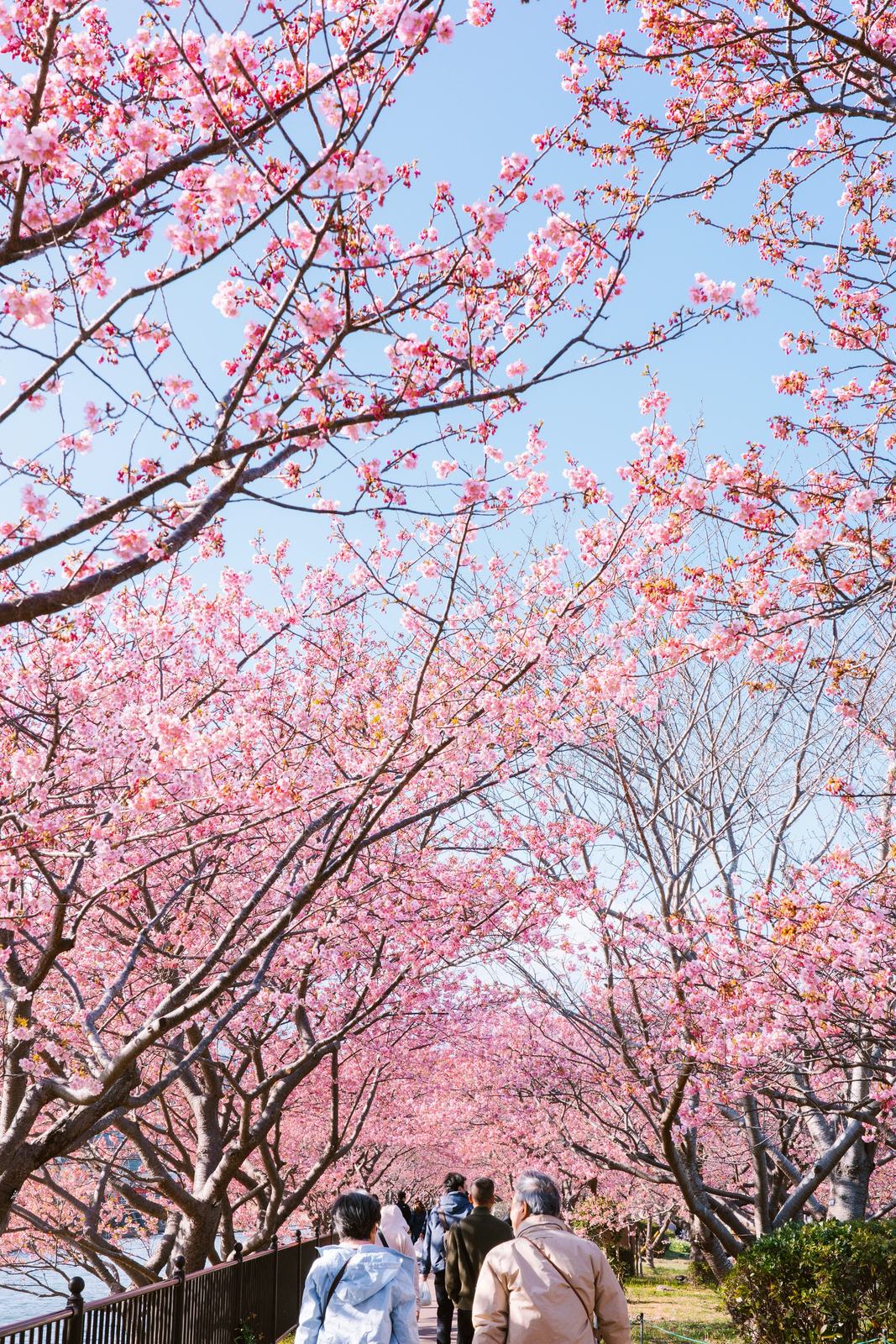
The park's plum grove blooms in February, well ahead of the citywide cherry blossom rush, making it a quieter early-season option. Cherry blossoms follow in late March/early April across the wider Gyoen grounds. In autumn, the park's many mature trees turn color with plenty of open space to enjoy it without the crush found at temple gardens.
Tips
- If your schedule is tight, same-day palace tour registration can fill up — arrive at the Imperial Household Agency office early in the day to secure a spot.
- Even without joining a tour, the park itself is a pleasant, free stop for a walk between other central Kyoto sights.
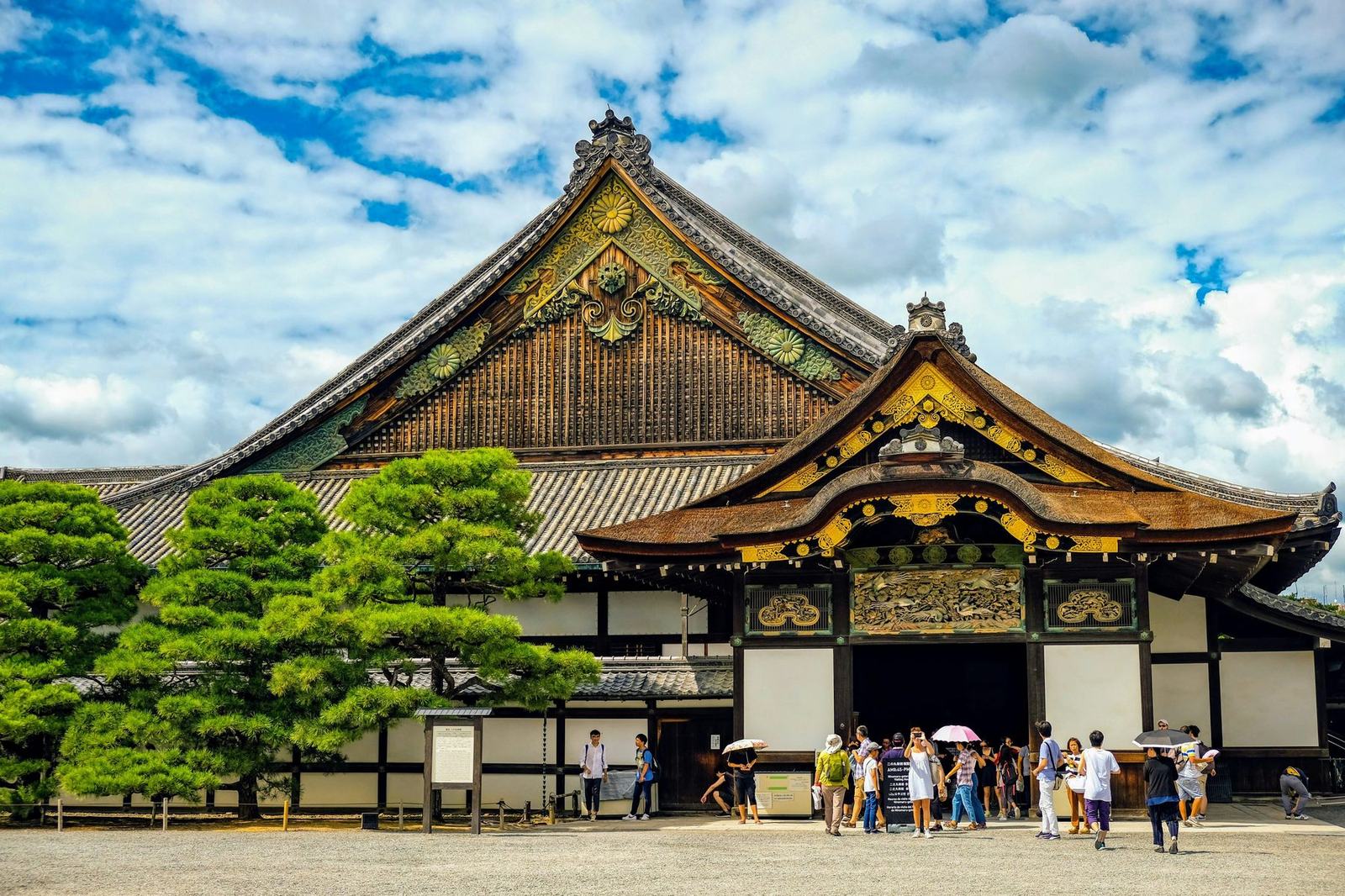
- Combine with a visit to Nijo Castle, about a 20-minute walk or short subway ride southwest.
Local tip: The wide gravel paths and open lawns make Kyoto Gyoen one of the most relaxed, uncrowded green spaces in the city center — a good spot to rest between temple visits.
Further Reading
Continue nearby with Nijo Castle, or see our cherry blossom guide for seasonal timing.