Overview
Nijo Castle was built in 1603 as the Kyoto residence of Tokugawa Ieyasu, the first shogun of the Tokugawa dynasty that would rule Japan for the next two and a half centuries. It's less a fortress than a statement of power — flat, walled, and moated, designed to project authority over the nearby Imperial Palace rather than withstand a siege. A UNESCO World Heritage Site, it's one of the best-preserved examples of castle architecture from the period.
The highlight is the Ninomaru Palace, whose corridors are fitted with "nightingale floors" (uguisubari) — floorboards engineered to chirp underfoot, an early-warning system against assassins and intruders. Inside, sliding doors (fusuma) are painted with elaborate tigers, leopards, and pine trees by artists of the Kano school, and the reception rooms are staged with lifelike mannequins recreating a shogunate audience.
Practical Info
Hours: Grounds open 8:45 AM–5:00 PM (last entry 4:00 PM); the castle occasionally closes on select Tuesdays for maintenance, so check before a dedicated trip.
Entry fee: Around ¥800 for the grounds; add roughly ¥500–1,000 for entry into the Ninomaru Palace interior.
Access: Take the Tozai subway line to Nijojo-mae Station, which exits directly by the castle gate. By bus, routes 9, 50, and 101 stop at Nijojomae from Kyoto Station (about 20 minutes).
Good to know: Photography is not permitted inside the Ninomaru Palace, but the gardens and exteriors are fair game — bring your camera for the Ninomaru Garden's pond and pines.
Location
Best Season
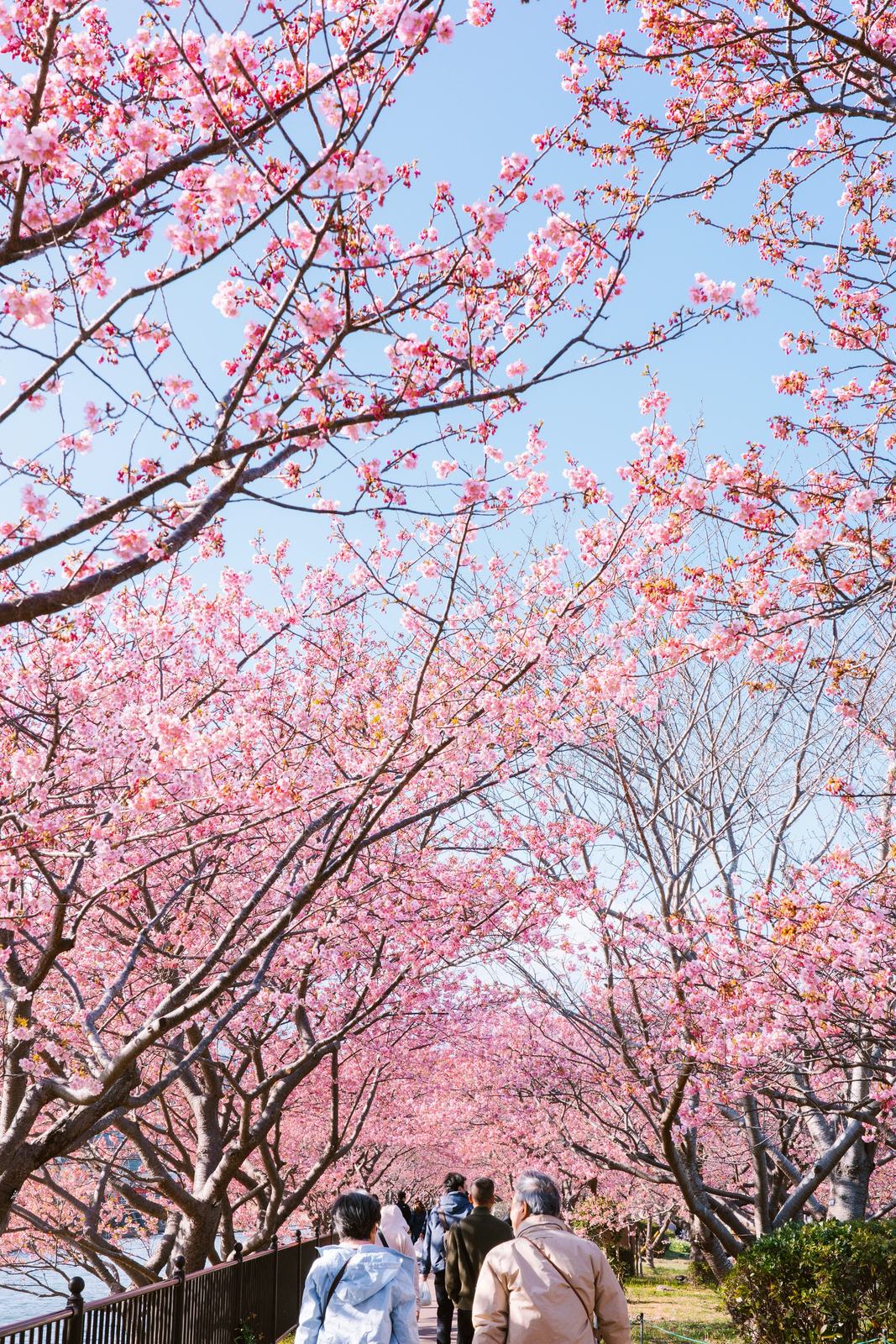
Cherry blossom season is spectacular here — the castle grounds hold hundreds of trees, including a late-blooming grove that extends the season past the city's peak. There's also a smaller plum orchard that blooms in February, well before the crowds arrive. In autumn, the moat and gardens turn gold and red, with far fewer visitors than the temple circuits.
Tips
- Budget at least 90 minutes to see both the palace interior and the gardens properly — this is a large site, unlike a single-building temple.
- The Ninomaru Palace floors are the main draw — walk slowly and listen for the "nightingale" chirp underfoot.
- Combine with a visit to the nearby Kyoto Imperial Palace park, about a 20-minute walk or short subway ride away.
Local tip: Nijo Castle is one of the few major sights in central Kyoto that's rarely overcrowded outside peak cherry blossom weekends — a good choice for a calmer afternoon.
Further Reading
Planning a full day downtown? Pair this with Nishiki Market and see our cherry blossom guide for timing your visit.